


Financial District (FiDi) Neighborhood Introduction
Updated: Oct 12

The Financial District, commonly known as FiDi, is one of Manhattan’s most iconic and historic neighborhoods, known for its global financial institutions, landmark architecture, dense urban environment, and growing residential appeal. Located at the southern tip of Manhattan near Tribeca, Battery Park City, the Seaport, and the Civic Center, FiDi offers a highly connected version of downtown living, where historic streets, office towers, luxury residential buildings, waterfront parks, restaurants, and cultural destinations are woven into the everyday rhythm of Lower Manhattan.

Neighborhood location illustration; the shown boundary and third-party rating do not establish school eligibility or a housing recommendation.
Transit and cross-river connections
Stations including Fulton Street, Wall Street, World Trade Center and Whitehall Street–South Ferry connect FiDi with Manhattan and other boroughs. The most convenient entrance and transfer vary by building; MTA maps and trip planning can help you compare the routes you would use regularly.
The World Trade Center PATH station connects with New Jersey, while Wall Street / Pier 11 and Whitehall provide ferry options. Consider the walk from a particular home to your usual station and workplace when comparing locations.

Schools and family life
FiDi's public-school resources include NYC Geographic District 2. NYC Public Schools lists The Peck Slip School (M343), at 1 Peck Slip, in District 2. Use the official school search with the specific home address to review school locations and eligibility; a neighborhood name or property description does not guarantee admission.
Everyday services and waterfront spaces
FiDi’s lifestyle is shaped by its evolution from a traditional office district into a full-service downtown residential neighborhood. Once known primarily as the center of finance and business, the area now supports a growing residential community with restaurants, cafés, grocery stores, fitness studios, pharmacies, waterfront parks, and everyday services close by.
Daily life is especially convenient around major downtown streets and transit hubs, where residents can move easily between home, work, dining, errands, and waterfront recreation. Public spaces such as Battery Park, the East River waterfront, Bowling Green, and the Seaport add outdoor access and a softer neighborhood rhythm to FiDi’s dense urban setting.
Historic landmarks and culture
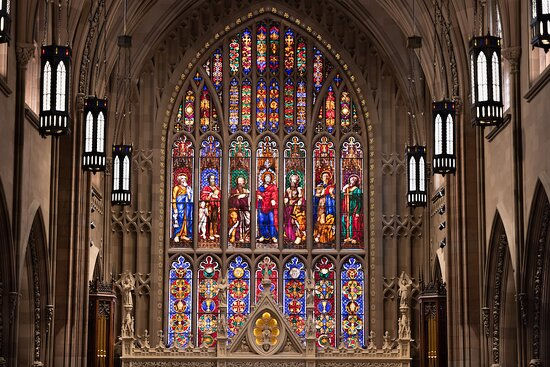
FiDi’s identity is deeply tied to New York City’s history, finance, and civic life. The neighborhood is home to some of the city’s most recognizable landmarks, including Wall Street, the New York Stock Exchange, Federal Hall, Trinity Church, the World Trade Center, and the 9/11 Memorial & Museum.
This mix of landmark architecture, financial history, memorial spaces, and cultural destinations gives FiDi a distinct Lower Manhattan identity, where historic significance and modern residential life exist within the same downtown setting.
Commercial activity in FiDi is concentrated around Wall Street, Broadway, Fulton Street, Nassau Street, Water Street, and the Seaport area. Major commercial and mixed-use nodes such as the World Trade Center, Brookfield Place, the Oculus, and the Seaport have expanded FiDi’s role beyond traditional finance. Together, these areas help support a business environment that serves office workers, residents, tourists, and the broader Lower Manhattan market.
Housing types and choosing a home
FiDi’s housing stock reflects its shift from a traditional office district into a mature downtown residential market, with luxury rental towers, high-rise condominiums, converted office buildings, and full-service residences. Historic architecture gives the neighborhood its classic Lower Manhattan character, while newer residential projects add modern layouts, amenities, views, and strong access to waterfront and transit.
For a closer look at an individual building, explore the 77 Greenwich residence and amenities guide and compare its layouts with your own housing needs.

When you are ready to move from neighborhood research to a purchase, the NYC home-buying process explains budgeting, offers, attorney review and closing.


Comments